

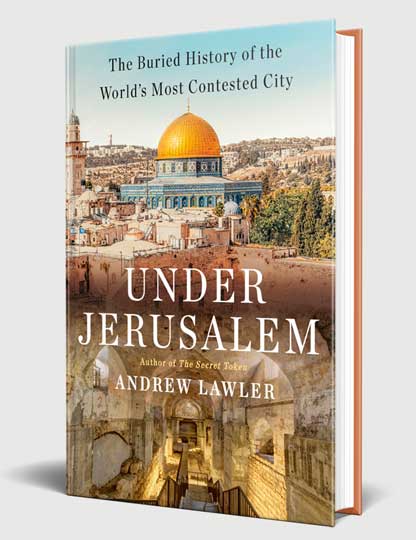
Under Jerusalem:
The Buried History of the World’s Most Contested City
by Andrew Lawler
Under Jerusalem takes readers into the tombs, tunnels, and trenches of the Holy City. It brings to life the indelible characters who have investigated this subterranean landscape. With clarity and verve, acclaimed journalist Andrew Lawler reveals how their pursuit has not only defined the conflict over modern Jerusalem but could provide a map for two peoples and three faiths to peacefully coexist.









ANDREW LAWLER
Andrew Lawler is a journalist, author, and National Geographic Explorer who has written more than a thousand newspaper and magazine articles. His byline has appeared in The New York Times, The Washington Post, National Geographic, Smithsonian, and many other publications, and he is a contributing writer for Science and contributing editor for Archaeology magazines. Andrew’s work has appeared several times in The Best of Science and Nature Writing. He is also author of three books, including The Secret Token: Myth, Obsession, and the Search for the Lost Colony of Roanoke, which was a national bestseller. His latest is Under Jerusalem: The Buried History of the World’s Most Contested City.
Under Jerusalem
Takes readers into the tombs, tunnels, and trenches of the Holy City. It brings to life the indelible characters who have investigated this subterranean landscape. With clarity and verve, acclaimed journalist Andrew Lawler reveals how their pursuit has not only defined the conflict over modern Jerusalem but could provide a map for two peoples and three faiths to peacefully coexist.
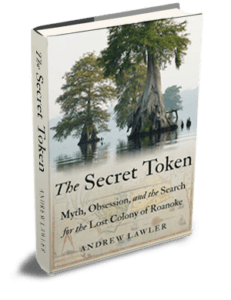
The Secret Token
A sweeping account of America’s oldest unsolved mystery, the people unearthing its answer, and what the Lost Colony reveals about America today. Nathanial Philbrick, New York Times bestselling author of Valiant Ambition said, “It’s Fast-paced and wonderfully written, with plenty of surprising turns along the way, The Secret Token is a delight.”
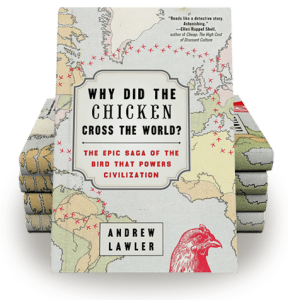
Why Did the Chicken Cross the World
The world’s most important bird is also the animal that humans take most for granted. In a book that the Wall Street Journal calls “fascinating and delightful,” Andrew Lawler takes the reader around the world and through time to reveal how the chicken helped transform our ideas about God, sex, and gambling long before the invention of the Chicken McNugget
Recent Articles by Andrew Lawler
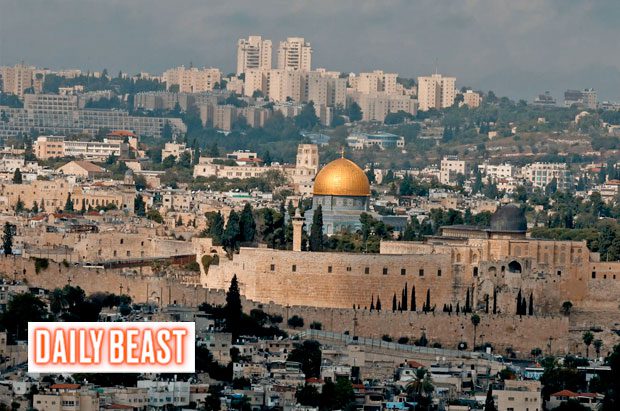
One Simple Way Israel Can Avoid Sparking a Holy War
Israel can show the world its war is with Hamas, not the Muslim world, by pledging to protect the sanctity of Jerusalem’s al-Aqsa Mosque, known to Jews as the Temple Mount.
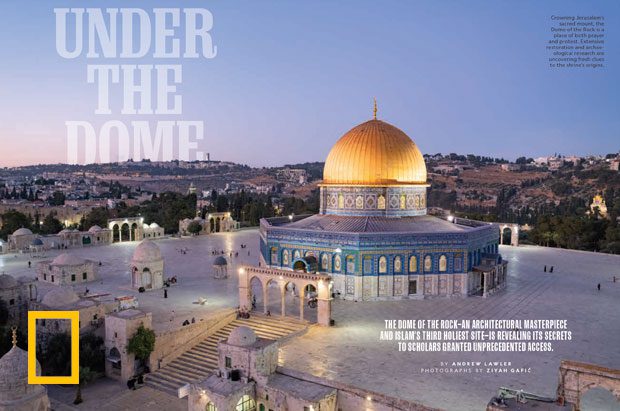
Under the Dome
Crowning Jerusalem’s sacred mount, the Dome of the Rock is a place of both prayer and protest. Extensive restoration and archaeological research are uncovering fresh clues to the shrine’s origins.
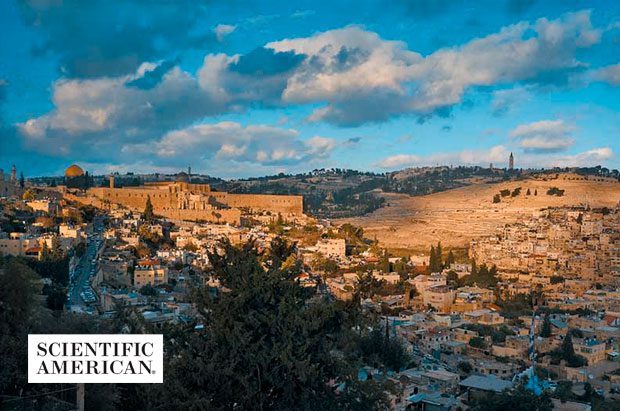
Jerusalem Archaeology Modernizes but Runs into Ancient Problems
Jerusalem Archaeology Modernizes but Runs into Ancient Problems. A new generation of scholars working in the Holy Land remain haunted by scripture and riven by modern politics
Andrew Lawler’s Articles by publication




Under Jerusalem:
The Buried History of the World’s Most Contested City
By Andrew Lawler
A sweeping history of the hidden world below the Holy City—a saga of biblical treasures, intrepid explorers, and political upheaval
“These untold stories of archeological digs near and under Jerusalem’s sacred sites convey all the colorful and violent and contentious history of the Israeli-Palestinian conflict … A compulsive read” —Kai Bird, Pulitzer Prize—winning historian and author of The Outlier