Column: A great calamity for Norfolk, and Virginia, 250 years on
By Andrew Lawler
December 13, 2025
Read the article here (paywall)
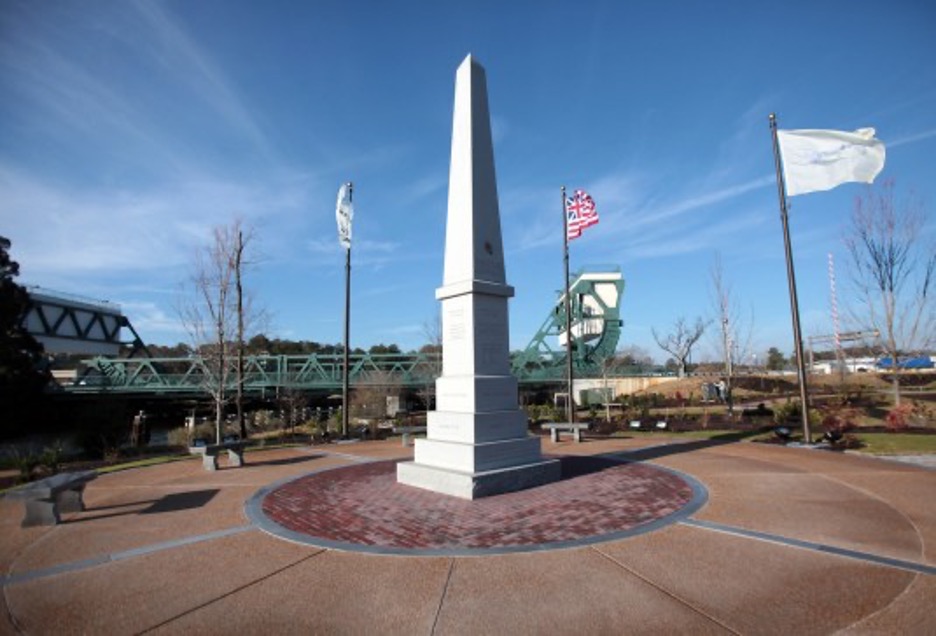
Some 250 years ago on Dec. 9, a column of troops in red coats marched across the Great Bridge in Chesapeake, the bayonets on their muskets gleaming in the dawn light. They expected the untested Americans entrenched on the opposite shore to flee in terror. Instead, the patriots mowed down the British soldiers, killing and wounding more than 70 and forcing their hasty retreat.
The 10-minute bloody clash, known as the “Bunker Hill of the South,” marked a key victory for American patriots. The defeat of forces under Virginia’s royal governor, Lord Dunmore, proved a welcome boost for patriot morale. What is usually left out of the textbooks — and was absent from Ken Burns’ recent series “The American Revolution” — is the disaster that followed.
After the battle, Dunmore’s troops, including hundreds of Black men freed by the royal governor to fight for the crown, retreated to Norfolk, Virginia’s sole city and the thriving home to 6,500 residents. As they boarded four Royal Navy ships, thousands of fearful civilians scrambled onto any vessel they could find to cluster under the warships’ guns. They had reason to worry. In Philadelphia, Richard Henry Lee was eager to hear of “the demolition of that infamous nest of Tories,” while Thomas Jefferson had urged Norfolk’s annihilation.
By mid-December, the patriots had occupied the port, and snipers used warehouses along the river to fire at the flotilla. On Jan. 1, 1776, after warning civilians ashore, the royal governor ordered a cannon barrage as cover for British and Black troops, who landed, burned the snipers’ posts, then returned to their ships.
In the chaos, patriot officers urged their men to plunder and burn the town. When one Norfolk resident tried to stop troops from destroying a patriot’s home, he was warned that they would “knock him down with a tomahawk.” Another resident carried an elderly man to safety as soldiers looted and burned his home. Patriots extorted “two dollars from a certain Mr. Baker,” in exchange for agreeing “to delay burning his house, until he could remove his wife and children out of it.” Officers then oversaw destruction of distilleries, rope walks, flour mills and the Gosport shipyard.
Dunmore was blamed for the conflagration, and the news led many wavering Americans to join the patriot cause, stoking support for independence from Britain.
In February, the patriot army abandoned Norfolk, torching any building that remained — including what is now called St. Paul’s Church — by order of Virginia’s new patriot government. Not one of the 1,333 structures was left intact. No other American city has suffered such complete devastation; a subsequent report found that patriot troops were responsible for 96% of the damage. Their commander wrote with satisfaction that the town’s ruin was “greatly beneficial to the public.”
Yet if the goal was to deny use of the port to the British, it had little effect. Dunmore and his fleet remained in the harbor until May and departed only after a smallpox epidemic wreaked havoc. Meanwhile, thousands of men, women and children, were left homeless and destitute during a harsh winter.
Following the war, Baltimore, Philadelphia, Charleston, New York and Boston helped power their states to new prosperity, while Norfolk was slow to recover and the once-wealthy Old Dominion turned into an economic backwater. “Virginia is fast becoming the Barbary of the union and in danger of falling into the ranks of our own Negroes,” bemoaned Jefferson in 1820.
At least one patriot who was part of the force that burned Norfolk later regretted its loss. “Thus, was destroyed the most populous and flourishing town in Virginia,” wrote U.S. Supreme Court Chief Justice John Marshall. “Its destruction was one of those ill-judged measures, of which the consequences are felt long after the motives are forgotten.”
This month, as we prepare to celebrate the nation’s 250th birthday year, take a moment to commemorate the victory at Great Bridge — and to mourn the terrible price paid to win our independence.
Andrew Lawler of Asheville, N.C., is the Norfolk-born author of “A Perfect Frenzy: A Royal Governor, His Black Allies, and the Crisis that Spurred the American Revolution.” Visit andrewlawler.com for more.